

Protecting your landscape and loved ones requires a comprehensive approach to both plant health care & tick control throughout the year. As Stratford's most trusted lawn care company , we understand how proper plant care and pest management work together to create safer, more beautiful outdoor spaces. Making informed decisions about landscape management can significantly impact both the health of your plants and the safety of your outdoor spaces. Understanding The Connection Between Landscape Health And Pest Prevention Professional plant health care & tick control services create environments where pests struggle to thrive while plants flourish. Dense undergrowth, stressed plants, and cluttered landscapes create ideal conditions for ticks, making integrated management essential for both aesthetic and safety reasons. Understanding the relationship between plant health and pest populations helps property owners make better decisions about landscape maintenance. Our experienced technicians regularly assess environmental conditions that could contribute to pest problems, addressing issues before they become serious concerns. Professional Management Makes A Lasting Difference Regular monitoring and preventive treatments help identify potential issues before they become serious problems. Our plant health care & tick control programs include targeted fertilization, disease prevention, and pest management strategies that promote vigorous growth while creating conditions less favorable to harmful insects. Early intervention often prevents the need for more aggressive treatments later, saving both time and resources while protecting your landscape investment. We utilize the latest research and proven techniques to deliver optimal results for every property we service. Year-Round Protection Through Integrated Management The most effective approach combines landscape maintenance with targeted treatments throughout the seasons. Professional services work together to protect your family and pets while maintaining your landscape's vitality. Our experienced technicians understand the unique challenges property owners face in Connecticut, delivering reliable lawn care for Stratford that addresses both plant health and pest management needs. Each season presents different challenges and opportunities for effective pest management and plant care. Taking Action For A Safer Environment Creating a pest-resistant landscape starts with proper plant maintenance and strategic design choices. We recommend maintaining clear boundaries between wooded areas and regularly used spaces, implementing proper drainage solutions, and establishing regular inspection routines. Combined with professional treatments, these practices significantly reduce unwanted pest populations while promoting healthier plant growth throughout your property. Regular maintenance and monitoring help identify potential problems early, allowing for more effective and less intensive interventions. Understanding local environmental factors and seasonal patterns helps us develop more effective treatment strategies for long-term success. If you need plant health care & tick control services in the Stratford area, call Shannon Lawn & Landscaping Inc. at 203-375-8240 .
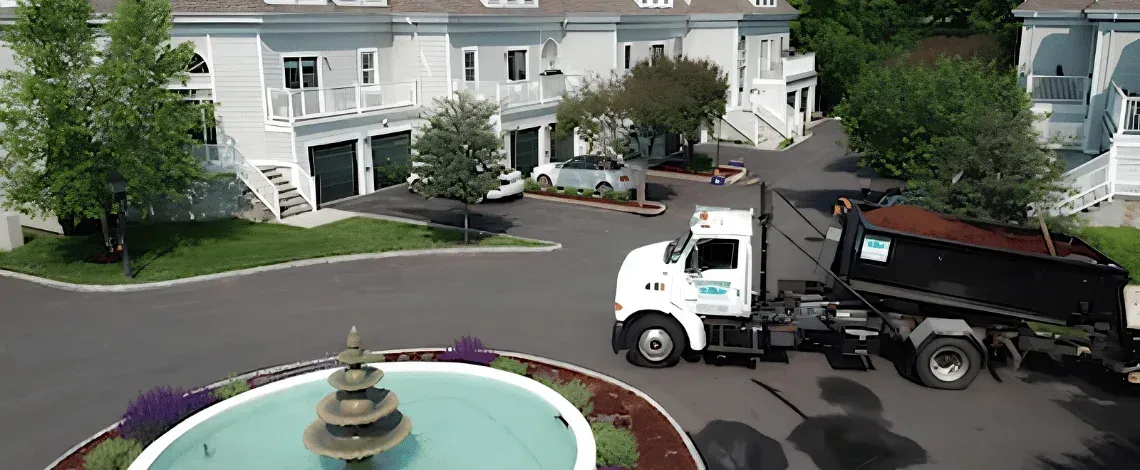
Well-maintained commercial properties attract more customers and command higher rental rates than neglected ones. Our commercial maintenance services help businesses throughout Stratford project success and professionalism through expertly maintained landscapes. Professional maintenance protects your property investment while creating an environment that employees and clients appreciate. Studies consistently show that attractive commercial properties experience higher occupancy rates and increased customer traffic. Beyond Basic Upkeep: Stra tegic Commercial Maintenance Professional commercial maintenance involves much more than routine mowing and basic cleanup. Our comprehensive approach includes strategic planning for seasonal changes, proactive problem prevention, and careful attention to details that affect your property's appearance and functionality. Regular commercial maintenance helps identify and address potential issues before they become costly problems. We coordinate all services to minimize disruption to your business operations while maximizing the impact of our work. Cost-Effective Solutions For Year-Round Property Care Investing in professional commercial maintenance actually saves money over time by preventing expensive repairs and property degradation. Our experienced teams deliver reliable lawn care for Stratford businesses while protecting your landscape investment through every season. Smart maintenance planning helps distribute costs effectively throughout the year while ensuring consistent, professional results. Professional maintenance programs can be customized to match your budget and property requirements. Making The Most Of Your Maintenance Investment Strategic commercial maintenance planning helps businesses maximize their property maintenance budget while achieving optimal results. We help clients develop comprehensive maintenance programs that address both immediate needs and long-term property goals. Regular maintenance prevents small issues from becoming major expenses, while professional service ensures every dollar spent contributes to your property's value and appearance. Our systematic approach to commercial maintenance delivers consistent, measurable results that benefit your bottom line. Creating A Year-Round Maintenance Strategy Successful commercial maintenance requires careful planning and execution throughout all seasons. Professional services ensure your property remains attractive and functional during peak business periods while preparing for seasonal transitions. Our experienced teams understand how to adapt maintenance schedules to your business operations, ensuring minimal disruption while maximizing curb appeal. We coordinate services efficiently to protect your investment while enhancing your property's professional image throughout the year. Measuring The Return On Your Maintenance Investment Professional commercial maintenance delivers measurable benefits that extend far beyond basic property upkeep. Regular maintenance programs help reduce liability risks, extend the life of landscape features, and maintain compliance with local ordinances. Our comprehensive approach to commercial maintenance includes detailed documentation and regular property assessments, helping you track the value of your maintenance investment over time. Property managers consistently report that professional maintenance services pay for themselves through reduced repair costs and increased property value. If you need commercial maintenance in Stratford, contact Shannon Lawn & Landscaping Inc. by calling 203-375-8240 .
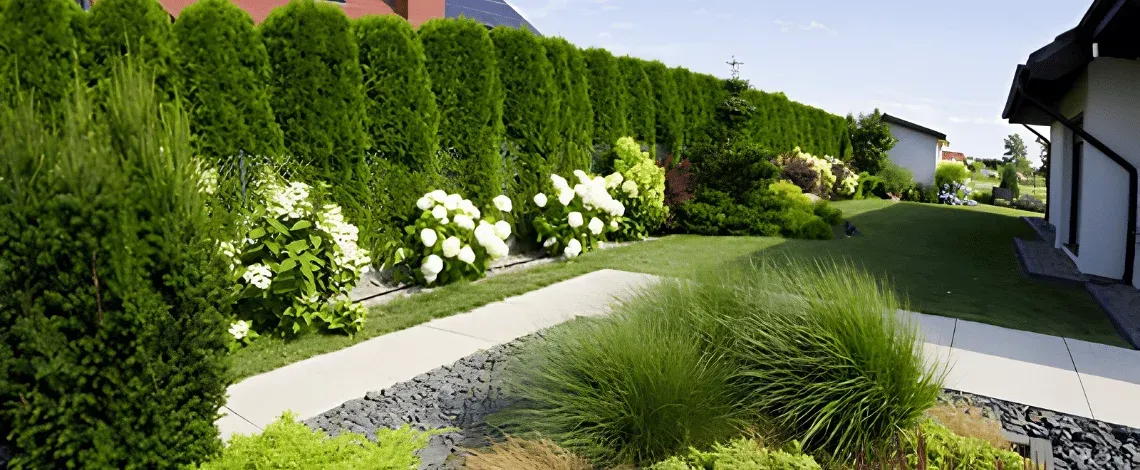
Every successful landscape transformation begins with understanding how different elements work together to create lasting beauty and functionality. Professional landscaping services provide the expertise and vision needed to turn challenging spaces into stunning environments, and as your dependable Stratford lawn care provider , we bring decades of experience to every project we undertake. The Foundation Of Successful Landscaping Services Quality landscaping services start with thorough site analysis and thoughtful planning that considers both immediate needs and long-term goals. Our comprehensive approach evaluates everything from soil composition to drainage patterns, ensuring your landscape has the strong foundation it needs to thrive. Professional landscaping services address crucial infrastructure elements that might be overlooked in basic maintenance, preventing costly issues while maximizing your property's potential. Creating Value Through Expert Implementation Professional landscaping services deliver lasting benefits that extend far beyond basic aesthetic improvements. Our experienced teams understand how different landscape elements interact, allowing us to create harmonious outdoor environments that mature beautifully over time. Each project benefits from our deep understanding of local conditions and proven techniques for addressing common challenges like erosion control, drainage issues, and privacy concerns. Building Sustainable Landscape Solutions The true value of professional landscaping services becomes evident as your property develops and matures. We carefully select materials and plants that work together naturally, creating sustainable landscapes that require appropriate maintenance while providing year-round enjoyment. Our systematic approach ensures every element serves a purpose, from proper grading that prevents water issues to strategic plant placement that enhances privacy and curb appeal. Maximizing Your Landscape Investment Smart planning and professional implementation help protect your landscape investment while creating spaces you'll enjoy for years to come. Our landscaping services include comprehensive solutions for both immediate concerns and long-term development, allowing you to phase improvements strategically while maintaining a cohesive vision. By addressing underlying infrastructure needs while enhancing visible features, we create landscapes that provide lasting value and enjoyment. Planning Your Landscape Transformation Successful landscaping services combine technical expertise with creative vision to address your specific needs and preferences. We work closely with clients to understand their goals, lifestyle requirements, and maintenance preferences, ensuring every project delivers optimal results. Whether you're addressing specific challenges or dreaming of a complete property transformation, our professional landscaping services provide the expertise and systematic approach needed for lasting success. If you're in the Stratford area and need professional landscaping services, call Shannon Lawn & Landscaping Inc. at 203-375-8240.
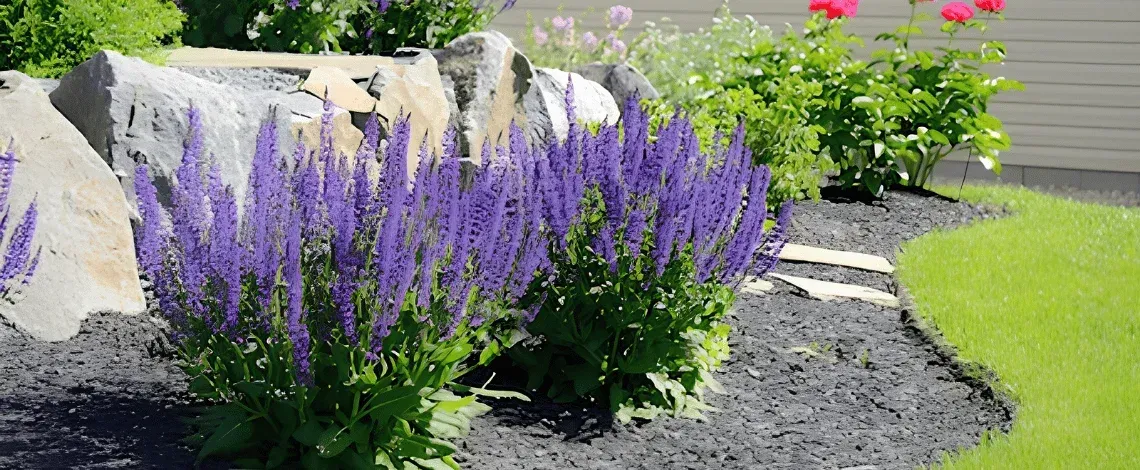
Why Regular Maintenance Makes All the Difference for Your Property When it comes to keeping your landscape looking crisp, clean, and healthy, the basics go a long way. Three simple but powerful services—weeding, edging, and mulching—can transform an overgrown yard into a well-groomed outdoor space that enhances your curb appeal and supports long-term plant health. Let’s break down how each step works and why your property can benefit from these essential maintenance services multiple times throughout the year. Step 1: Weeding Unwanted weeds can quickly take over your garden beds, crowding out your ornamental plants, stealing nutrients, and making your landscape look messy. Regular weeding removes invasive species and undesirables either by hand-pulling or carefully targeted spot spraying. Benefits of Weeding: Eliminates competition for water, sunlight, and nutrients Improves airflow and reduces plant disease Prevents invasive species from spreading Enhances the visual appeal of garden beds Ongoing weeding is essential—some properties benefit from monthly or seasonal weed control depending on plant density, bed conditions, and time of year. Step 2: Edging Edging involves cutting a clean, defined line around garden beds, walkways, and foundations. This small detail makes a big visual impact and plays an important functional role in keeping weeds and turf grass out of your garden beds. Benefits of Edging: Creates crisp, defined garden bed lines for a polished look Forms a natural barrier to help prevent turfgrass from encroaching into garden beds Improves mowing efficiency and reduces trimming time Enhances the symmetry and structure of your landscape Typically, properties benefit from edging at least once or twice a year, particularly in the spring and fall when redefining bed lines can freshen up the entire landscape. Step 3: Mulching Mulch is the finishing touch that does far more than just make your beds look tidy. A fresh layer of mulch not only boosts curb appeal but plays a critical role in protecting your plants and improving soil conditions. Benefits of Mulching: Suppresses we ed growth Regulates soil temperature and insulates roots Retains moisture, reducing the need for frequent watering Reduces soil compaction and erosion Prevents rain splash that can spread disease to plant leaves Enhances soil health as organic mulch breaks down over time Mulch should typically be refreshed once per year, usually in spring, but some properties may benefit from a light top-dress in mid-to-late summer to keep beds looking fresh and functioning well. Why Regular Weed, Edge & Mulch Services Matter Think of this trio of services as routine maintenance for your outdoor investment. Together, they contribute to: Increased property value through enhanced curb appeal Healthier plants and stronger root systems due to reduced competition and improved growing conditions Better soil quality from temperature regulation, improved moisture retention, and organic matter replenishment A cleaner, more professional look that gives your entire property a polished, well-maintained feel Whether you're preparing for a season of outdoor enjoyment, listing your home, or simply want to give your property the care it deserves, weed, edge, and mulch services are a smart, affordable way to elevate your landscape. Ready to Refresh Your Landscape? Let our expert team handle the details—from identifying and removing stubborn weeds, to carving out sharp bed lines, to laying down fresh, high-quality mulch. Call us today at 203-375-8240 or visit shannonlandscaping.com to schedule your weed, edge, and mulch service and give your property the attention it deserves.
Protect Your Family and Pets with Tick Control Services in Stratford, CT Small Pests, Big Dangers When it comes to outdoor safety, ticks pose a serious threat to both your loved ones and pets. These tiny parasites thrive in shady, moist environments—like wooded areas, tall grass, and leaf piles. In Connecticut, tick season peaks during the spring and fall, but mild weather can keep them active nearly year-round. According to the CDC: Around 476,000 Americans are diagnosed and treated for Lyme disease annually. The Northeast , including Connecticut, has some of the highest concentrations of infected ticks in the country. Ticks can transmit disease within 36–48 hours of attaching to a host—making early prevention critical. Why Professional Tick Control Services Matter Our tick control treatments are about more than just pest management—they’re about protecting your peace of mind. Here’s how we help: Create a safer outdoor environment for kids, pets, and guests. Reduce the risk of Lyme disease and other tick-borne illnesses. Provide ongoing protection with scheduled treatments that target ticks at every stage of their lifecycle. Use eco-conscious, effective methods handled by trained professionals. By reducing the tick population, you’re taking a proactive step toward a healthier, worry-free outdoor experience. Contact us today to enroll in our Tick Control Program
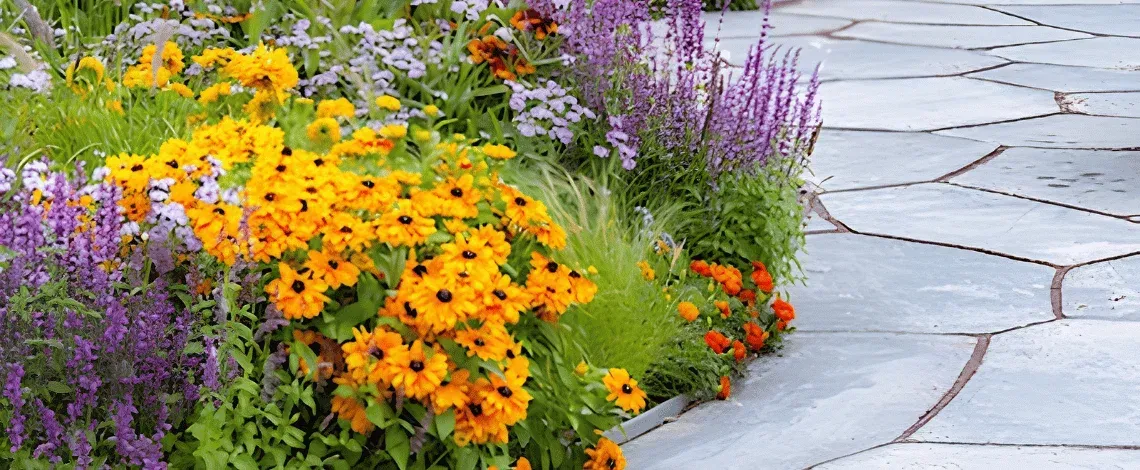
Why Plant Health Care Is Essential Your yard is more than just a lawn—it's a living ecosystem. And just like people, plants can suffer from nutrient deficiencies, disease, and pest infestations. Without proper attention, these issues can lead to: Stress and weakened growth Permanent plant damage or death Expensive replacements and repairs Preventative care is the key to long-lasting landscape health. That’s why it’s so essential to hire a plant professional to evaluate your landscape and make suggestions for healthy plants. What Our Plant Health Care Program Includes Our comprehensive program begins with a full evaluation of your landscape’s: Plant types and perceived illnesses, pests, or fungal issues Soil conditions, pH, sun exposure Other environmental factors and microclimate Using that insight, we build a tailored plan that may include: Deep-root fertilization to feed plants from the ground up Foliar sprays to prevent disease and enhance vitality Pest management and growth regulation to support strong, balanced development Ongoing diagnostics and monitoring with advanced tools and expert care Each treatment is carefully timed and applied by professional applicators, supporting vibrant growth without harming the environment. Our goal? To keep your landscape healthy, beautiful, and low-maintenance all year long!
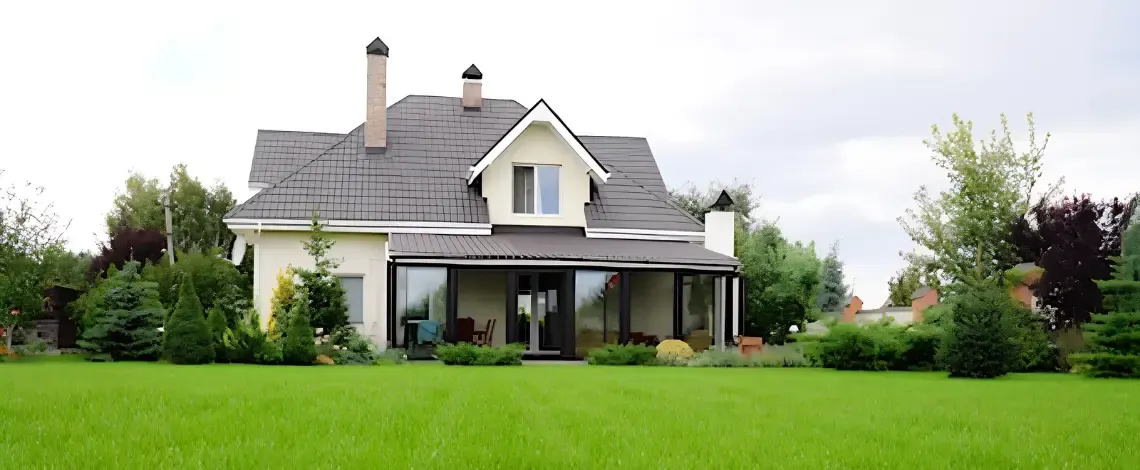
A thriving, weed-free lawn doesn’t happen by chance—it requires the right combination of seasonal treatments, proper maintenance, and timely applications of fertilizers, herbicides, and soil amendments. Whether you’re taking the DIY approach or looking for professional lawn care services , knowing what to do each season ensures a beautiful, resilient lawn. Spring Lawn Care: The Foundation of a Healthy Lawn Pre-Emergent Herbicide: Stopping Weeds Before They Start Weeds are one of the biggest threats to a healthy lawn, competing for nutrients, water, and space. Pre-emergent herbicides create a protective barrier in the soil, preventing weed seeds from sprouting. This is particularly important for controlling crabgrass, dandelions, and annual bluegrass. Best Time to Apply: Late March–Early April, with a second application in Late April–May. Key Indicators You Need It: Recurring weed problems, patchy grass, or disturbed soil. Pro Tip: Pre-emergent must be applied before soil temperatures reach 50-55°F, as this is when most weed seeds germinate. Fertilizer & Surface Insecticide: Strengthening Your Turf A balanced fertilizer application supplies essential nutrients like nitrogen, phosphorus, and potassium to strengthen roots and encourage lush, green growth. Pairing this with surface insecticide helps eliminate pests such as chinch bugs, grubs, and armyworms that damage lawns. Best Time to Apply: First application in June; insecticide-only application in July. Key Indicators: Brown or dead patches, visible insect presence, increased animal activity in your yard. Pro Tip: A healthy lawn naturally fights off weeds, diseases, and drought. Start with proper fertilization to keep your turf strong. Soil Amendment: Lime for pH Balance Connecticut’s soil tends to be acidic, which can limit your lawn’s ability to absorb nutrients. Applying lime helps neutralize soil acidity and ensures optimal nutrient availability. Best Time to Apply: Early spring or fall. Key Indicators: Yellowing grass, moss growth, poor fertilizer response. General Rate: 40–50 lbs of lime per 1,000 sq. ft. for moderately acidic soil. Get a Free Soil pH Test at Shannon’s! Bring in a cup of soil, and we’ll test it to determine if your lawn needs lime. Summer Lawn Care: Maintaining Strength Through the Heat Grub Prevention: Stopping Lawn Damage Before It Starts Grubs are the larvae of beetles (such as Japanese beetles) that feed on grassroots, leading to brown patches and weak turf. Applying a grub preventer before they hatch is the best way to keep them under control. Best Time to Apply: May–June. Key Indicators: Loose turf that lifts easily, increased animal digging, visible grubs in the soil. Fall Lawn Care: Strengthening Roots & Preparing for Winter Seeding & Overseeding: Filling in Bare Spots Seeding helps establish a new lawn, while overseeding thickens existing grass. This is particularly effective in fall when cool-season grasses thrive. Best Time to Seed: Mid-August–October. Key Indicators: Bare spots, thinning grass, high weed competition. Aeration: Revitalizing Your Lawn Aeration involves removing small plugs of soil to relieve compaction, improve nutrient absorption, and encourage deeper root growth. Best Time to Aerate: Fall, typically after overseeding. Key Benefits: Reduces soil compaction, allows better water infiltration, and encourages healthy turf growth. Pro Tip: Aeration also encourages microbial activity by increasing oxygen in the soil, creating a more sustainable environment for beneficial microbes. Lawn Renovation: Restoring a Struggling Lawn If your lawn is over 40% weeds or showing signs of severe compaction, a full lawn renovation may be needed. This process includes herbicide treatment, de-thatching, aeration, slice seeding, and starter fertilizer. Best Time to Renovate: September–October. Key Indicators: Large sections of weeds, excessive thatch, compacted soil. Sod Installation: Instant Lawn Solutions For those looking for fast results, sod is an excellent alternative to seeding. It establishes quickly, prevents soil erosion, and creates an instant, uniform lawn. Best Time to Install: Year-round in suitable weather. Key Indicators: Bare soil, new lawn installation, or poor grass establishment. Winter Lawn Care: Preparing for Spring Revival Winterizer Fertilizer: Strengthening Roots for Spring Growth Winterizer fertilizers store nutrients in grass roots for early spring green-up, reducing stress from winter dormancy. Best Time to Apply: November. Key Indicators: Weak grass growth, soil test shows nutrient deficiency. Proper Mowing & Watering Techniques Maintaining your lawn’s ideal height (3–4 inches) and watering deeply but infrequently are critical for long-term health. Adjust mowing frequency based on seasonal growth rates, and always check soil moisture before watering. Watering Tip: Check moisture levels by digging a small hole; if it’s dry beneath the surface, it’s time to water. Pro Tip: Reduce watering in late fall to help grass prepare for dormancy. Take the Next Step for a Greener Lawn A well-maintained lawn not only enhances your home’s curb appeal but also improves soil health, prevents erosion, and provides a lush outdoor space for your family. Whether you're looking for professional lawn care services or prefer a DIY approach , Shannon Lawn & Landscaping Inc. has you covered.
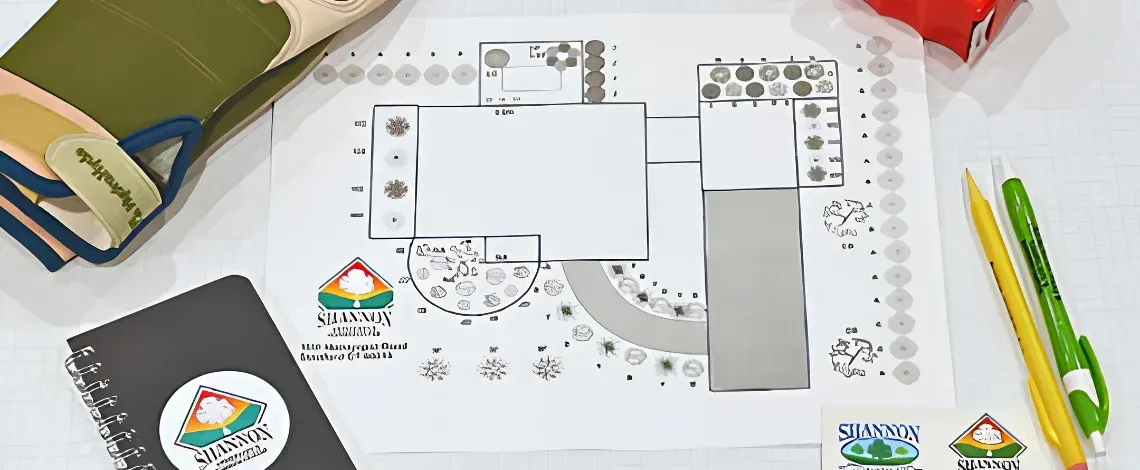
Creating a well-designed landscape is more than just choosing beautiful plants—it’s about functionality, sustainability, and long-term success. Whether you're looking for privacy, seasonal interest, a pollinator-friendly garden, or a low-maintenance retreat, proper planning will help you achieve the landscape of your dreams. Use this comprehensive checklist to guide your landscape design decisions and create an outdoor space that thrives for years to come! 1. Define Functionality & Style Before choosing plants and features, consider: How do you want to use your space? (Recreation, gardening, sports, relaxation, wildlife habitat) What style appeals to you? (Formal, modern, natural, cottage garden) Consider Maintenance: Do you want low-maintenance landscaping or are you willing to create a budget and outsource for maintenance? What is your total budget? Consider working in phases to spread out costs over time, incorporating cost efficient substitutes into your design, or even doing some of the work yourself! Pro Tip: Find inspiration from photos, visit public gardens, or consult a landscape designer if you’re unsure where to start. 2. Site Analysis: Understanding Your Property A successful landscape starts with knowing your lands conditions. Key factors to evaluate: Soil Type & Drainage – Clay, sandy, loam? Get a soil test to determine pH and nutrient levels. Sun & Shade Exposure – Track how sunlight moves through your property. Wind Patterns – Avoid placing delicate plants in wind tunnels. Cautionary Areas – Identify septic tanks, utility lines, tree stumps, and poor drainage zones before planting. Need a soil test? Bring a sample to Shannon Garden Center for a FREE analysis! 3. Define High-Traffic Areas & Hardscaping Needs Do you need pathways, patios, or retaining walls ? Where will foot traffic naturally flow ? How can plants be used to guide movement ? 4. Choose Focal Points & Key Features What is the main feature of your landscape? (A pond, specimen tree, sculpture, or garden bed) What existing features should be removed, enhanced, or worked around? Pro Tip: Anchor your design around a key focal point for visual interest. 5. Selecting the Right Plants Choosing plants that match your property’s conditions will lead to lower maintenance and higher success . Consider: Diversity – Mix trees, shrubs, perennials, and annuals for a layered look. Seasonal Interest – Plan for year-round beauty with evergreens, flowering plants, and fall foliage. Growth Habits – Avoid overcrowding by spacing plants properly. Maintenance Needs – Some plants require more upkeep than others! 6. Plan forAll Seasons Spring: Flowering trees (Redbud, Cherry), early perennials (Phlox, Daffodils) Summer: Heat-tolerant plants (Coneflower, Lavender, Russian Sage) Fall: Foliage interest (Maples, Sumac, Ornamental Grasses) Winter: Evergreens for structure (Holly, Boxwood, Spruce) 7. Sustainable & Eco-Friendly Landscaping Incorporate native plants to support pollinators. Add bird feeders & water sources for wildlife. Install rain barrels & drip irrigation to conserve water. Reduce lawn size to minimize maintenance & water use. Visit Shannon Garden Center for native plants & sustainable landscaping solutions! 8. Budget & Phasing Your Landscape Plan Plan in phases – Install key elements first, then expand over time. Look for seasonal sales – Fall is a great time to plant & find discounted perennials, shrubs, and trees! 9. Consult a Landscape Designer Feeling overwhelmed? A professional landscape designer can: Ensure plants are chosen strategically for long-term success. Offer expert advice on hardscaping, plant selection, and site challenges. Save you time and money by avoiding costly mistakes! Visit Shannon Landscaping & Garden Center for expert guidance and professional landscaping services! The Right Plants for the Right Place Knowing which plants to choose for different areas of your yard is essential. Here’s a breakdown of best plant types by function: Foundation Plants (Front Yard, Low Maintenance, Year-Round Interest) Examples: Azalea, Andromeda, Nepeta, Hosta, Holly, Hydrangea, Boxwood Privacy Screens & Hedges Examples: Arborvitae, Lilac, Rose of Sharon, Inkberry, Hydrangea, Juniper Groundcovers for Bare Areas Examples: Phlox, Creeping Juniper, Wintercreeper, Weigela Shade-Friendly Plants Examples : Japanese Maple, Redbud, Arborvitae, Azalea, Hosta, Heuchera Heat & Drought Tolerant Plants Examples: Black-eyed Susan, Coneflower, Russian Sage, Lavender, Switchgrass, Yucca Specimen Plants for Focal Points Examples: Japanese Maple, Weeping Cherry, Flowering Dogwood, Hydrangea, Coral Bark Maple Pollinator-Friendly Plants Examples: Salvia, Dianthus, Speedwell, Coneflower, Nepeta, Butterfly Bush Seaside Plantings (Salt & Wind Tolerant) Examples : Butterfly Bush, Clethra, Rose of Sharon, Yarrow, Echinacea, Monarda Deer-Resistant Plants Examples: American Holly, Boxwood, Andromeda, Monarda, Russian Sage, Maiden Grass Small Varieties for Compact Gardens Examples: Goldcone Juniper, ‘Bollywood’ Azalea, ‘Spilled Wine’ Weigela, Baby Gem Boxwood Low Maintenance Landscaping Examples: Japanese Holly, Juniper, Knock-Out Roses, Spring Grove Arborvitae Ready to Transform Your Landscape? At Shannon Lawn & Landscaping Inc. , we’re here to help you every step of the way. Whether you need expert design advice, DIY gardening supplies, or professional landscaping services , we have everything you need to bring your dream landscape to life! Call for a Consultation with our Landscape Designers!
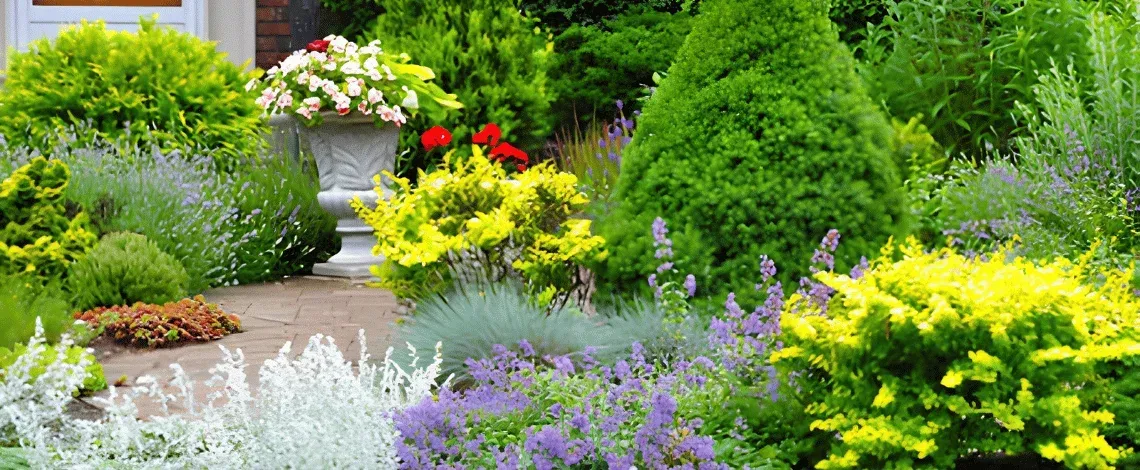
Plan smarter, plant better, and enjoy a landscape that thrives year-round Designing a beautiful and successful landscape isn’t just about picking your favorite flowers—it’s about choosing the right plant for the right place and the right time . Climate, light levels, water needs, plant size, and bloom time all play a critical role in long-term success. By understanding how plants perform in different conditions and seasons, you’ll create a garden that’s both beautiful and easy to maintain. Whether you're working with full sun or deep shade, seeking privacy or pollinators, or simply want more seasonal color, the guide below breaks down top-performing plants by category to help you make informed decisions for your landscape. Compact Plants (Under 5 Feet Tall) Use these small but impactful plants to add structure to borders, fill in tight spaces, or complement larger shrubs and trees. They’re ideal for foundation beds, walkway edges, and containers . ‘Magic Carpet’ Japanese Spirea ‘Hetz Midget’ Globe Arborvitae ‘Gumpo White/Pink’ Azalea ‘Baby Kim’ Lilac ‘Cavatine’ Andromeda Color Cocktail Shrub Rose ‘Percy Wiseman’ Yak Rhododendron ‘Slowmound’ Mugo Pine ‘Green Velvet’ Boxwood ‘Spilled Wine’ Weigela Low-Maintenance Plants If you're looking to reduce yardwork without sacrificing beauty, these easy-care plants are your go-to. They require minimal pruning, watering, and pest control once established. ‘Steeds’ Japanese Holly Spring Grove Arborvitae ‘Blue Star’ Juniper Green Columnar Juniper ‘Pink Knock Out’ Rose Deer-Resistant Selections Live in an area with frequent deer traffic? These plants are less likely to be browsed , helping preserve your landscape investment without constant spraying or fencing. ‘Straight and Narrow’ Japanese Holly ‘NewGen Freedom’ Boxwood ‘Junior Giant’ Arborvitae ‘Gold Cone’ Common Juniper ‘Baby Blue’ Blue Spruce ‘Slowmound’ Mugo Pine ‘Crimson Cutie’ Barberry ‘Goldmound’ Spirea ‘Bandwidth’ Maiden Grass ‘Pugster Blue’ Butterfly Bush Shade-Tolerant Plants These plants thrive in lower light , making them perfect for north-facing beds, under trees, or any garden area where sunlight is limited. ‘Hino Crimson’, ‘Silver Sword’, and ‘Wintergreen’ Azaleas ‘NewGen Freedom’ Boxwood Coral Bells (multiple varieties) ‘Silver Heart’ Bugloss ‘Happy Days’ Hosta Summersweet, Fothergilla, Mountain Laurel Andromeda, Leatherleaf Viburnum, Siberian Cypress Drought-Tolerant Plants Ideal for hot, dry areas or homeowners looking to conserve water, these resilient plants handle dry spells with grace. ‘Jethro Tull’ Tickseed ‘Fruit Punch’ Dianthus ‘Color Guard’ Yucca ‘Nana’ Dwarf Japanese Juniper ‘True Passion’ Rose ‘Phenomenal’ Lavender ‘Blue Rug’ Juniper ‘Little Devil’ Ninebark Maiden Grasses “Green Spice” Coral Bells Pollinator-Friendly Plants Support bees, butterflies, hummingbirds, and birds with these plants that provide nectar, habitat, or seeds . A pollinator-friendly garden adds movement, life, and ecological value to your landscape. ‘May Night’ and ‘Blue Bouquetta’ Salvia ‘Fire Alarm’ Coral Bells Everbloom ‘Watermelon Ice’ Dianthus ‘Bubblegum Candles’ Veronica ‘Pow Wow’ Echinacea Hedge Plants for Privacy & Structure Create natural borders and privacy screens with these shrubs and trees. Use formal rows for symmetry or mix varieties for a natural look. ‘Spring Grove’, ‘Junior Giant’, ‘Green Giant’ Arborvitae ‘Shamrock’ Inkberry ‘Roseum Elegans’ Rhododendron ‘Red Beauty’ Holly ‘Lavender Chiffon’ Rose of Sharon ‘Green Columnar’ Juniper Groundcovers That Work Groundcovers help suppress weeds, stabilize soil, and fill gaps between larger plantings. Many bloom beautifully and are easy to maintain. ‘Ruby Riot’ Phlox ‘Nana’ Juniper ‘Gold Splash’ Wintercreeper ‘Spilled Wine’ Weigela ‘Blueberry Muffin’ Ajuga Plants for Containers These plants work great in pots and planters, making them ideal for patios, porches, and decks . Many offer long bloom periods and attractive foliage. ‘Tempo Rose’ Geum ‘May Night’ Salvia Coral Bells ‘Bloomerang’ Lilac Blueberry Buckle ‘Silver Heart’ Bugloss ‘Overdam’ Feather Reed Grass ‘Happy Returns’ Daylily ‘Imperial Gem’ Lavender ‘Lil Bang Daybreak’ Coreopsis Fall Color Favorites These plants bring drama and beauty to your garden as the seasons change, with foliage or bark that glows in autumn. ‘Forever Goldy’ and ‘Fire Chief’ Arborvitae ‘Coral Bark’ and ‘Bloodgood’ Japanese Maples ‘Golden Charm’ False Cypress PJM Rhododendron ‘Goldmound’ Spirea Reliable Evergreens Evergreens give your landscape structure and greenery even in the depths of winter. Use them for privacy, background, or year-round interest. ‘Vintage Gold’ Cypress ‘Steeds’, ‘Chesapeake’, and Compacta Hollies NewGen Freedom Boxwood Spring Grove Arborvitae ‘Cavatine’ Andromeda Green Columnar Juniper Seasonal Stars: Plants by Bloom Time Spring Bloomers Welcome the season with bold color: ‘Tempo Rose’ Geum ‘Baby Kim’ Lilac ‘Hino Crimson’, ‘Bollywood’ Azaleas ‘PJM’ and ‘Chionoides’ Rhododendrons Summer Bloomers Keep the show going: Hens and Chicks Fruit Punch Dianthus ‘Georgia Peach’ Coral Bells ‘Lavender Chiffon’ Rose of Sharon ‘Goldmound’ Spirea Trellis Mandevilla Braided Hibiscus Fall Bloomers Finish strong with late-season interest: ‘Fruit Punch’ Dianthus ‘Pugster Blue’ Butterfly Bush Bartlett Semi-Dwarf Pear Rebloomers Enjoy flowers again and again: ‘Stella de Oro’ Daylily ‘Double Knock Out’ and ‘Color Cocktail’ Roses ‘Cat’s Pajamas’ Nepeta ‘Endless Summer’ Hydrangeas ‘Blue Jean Baby’ Russian Sage Tall & Structural Plants (20+ Feet) These trees and large shrubs create backdrops, focal points, or privacy screening for larger properties. ‘Baby Blue’ Blue Spruce ‘Green Giant’ Arborvitae ‘Spring Grove’ Arborvitae ‘Pink Snow Showers’ Cherry Petiolaris Climbing Hydrangea Heat-Tolerant Plants for Summer Resilience Beat the heat with plants that withstand sun and drought , perfect for hot, exposed areas. Black-eyed Susan Coneflower Russian Sage Creeping Juniper Red Maple Little Bluestem Feather Reedgrass Switchgrass Tickseed Yucca ‘True Passion’ Rose Ninebark Lavender Need Help Choosing the Right Plants for Your Property? With so many plant choices out there, it helps to have a guide. At Shannon Lawn & Landscaping Inc. , we’ve been designing and installing stunning landscapes in Connecticut since 1987 . Whether you’re starting fresh or enhancing your garden for seasonal appeal, we’ll help you choose the perfect plants for the perfect place and time. Contact us today to schedule a landscape design consultation and take the guesswork out of gardening!
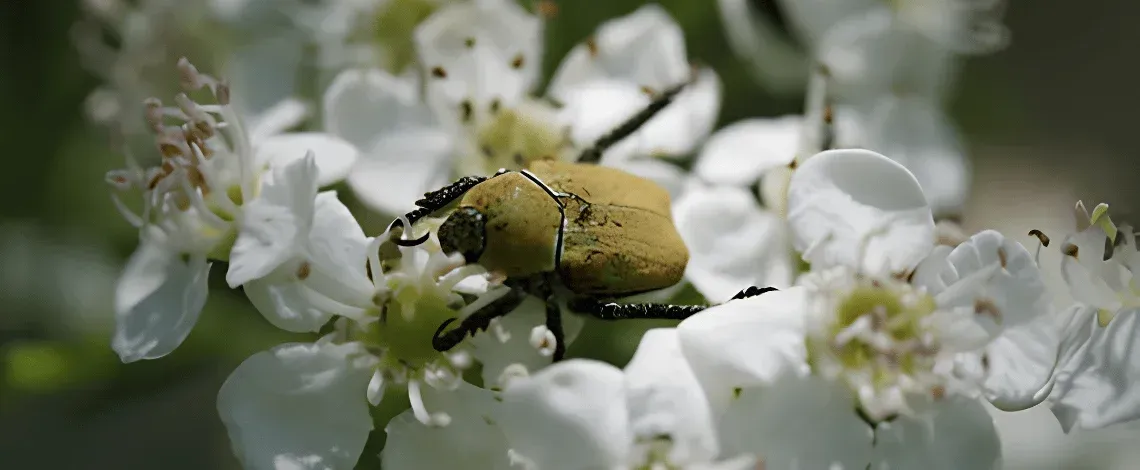
A thriving garden is full of life, but not all insects are welcome guests! While some pollinate flowers, enrich soil, and control pests , others can damage plants and lawns if left unchecked. The key to a healthy landscape? Pest scouting! Knowing how to identify beneficial vs. harmful insects allows you to protect your plants naturally, encourage biodiversity, and reduce the need for chemical pesticides . Why Pest Scouting Matters Regularly checking your garden for early signs of pest infestations allows you to take action before major damage occurs. Signs of Pest Problems: Chewed leaves & holes – A sign of caterpillars, beetles, or aphids. Sticky residue (honeydew) – Left behind by aphids, scale, or whiteflies, leading to mold growth. Wilting or thinning grass – Could indicate grubs, chinch bugs, or fungal infections in the lawn. Sudden plant decline – May be caused by root-feeding larvae, such as Japanese beetle grubs. Early intervention means healthier plants and fewer pest control treatments! Beneficial Insects – Nature’s Pest Control Team Not all insects are harmful! Many play an essential role in pollination, decomposition, and natural pest control . Pollinators (Bees & Butterflies) Why They Matter: Pollinate flowers, ensuring fruit & vegetable production. How to Attract Them: Plant native wildflowers, milkweed, and nectar-rich herbs like lavender & thyme. Monarch Butterflies Why They Matter: Monarchs rely on milkweed for reproduction and are crucial for biodiversity. How to Support Them: Plant native milkweed species and avoid pesticides that harm caterpillars. Ladybugs – Aphid Predators Why They Matter: Each adult ladybug can eat up to 50 aphids per day! How to Attract Them: Grow dill, fennel, and marigolds. Earthworms – Master Soil Builders Why They Matter: Improve soil structure, aeration, and nutrient recycling. How to Support Them: Add organic matter (compost, mulch) to maintain healthy soil. Harmful Pests to Watch Out For Some insects damage plants and lawns if populations grow unchecked. Here are the top garden and lawn pests in Connecticut to watch for: Japanese Jumping Worms – Over-aerate soil, outcompete native earthworms, and degrade soil structure. Grubs (Japanese Beetle Larvae) – Feed on grass roots, causing brown patches and turf damage. Chinch Bugs – Suck plant juices from grass blades, leaving behind d ead, dry lawn patches. Aphids – Multiply rapidly, suck plant juices, and spread plant diseases. Spotted Lanternfly – Invasive pest that weakens over 70 plant species, including fruit trees and hardwoods. Excretes honeydew, promoting mold growth and disrupting ecosystems. Pro Tip: Catching pest problems early makes treatment more effective while reducing harm to beneficial insects! How to Manage Pests & Promote Beneficial Insects Using eco-friendly pest control solutions ensures that beneficial insects can thrive while keeping destructive pests under control. For Lawns: Grub Control: Apply grub preventer (Acelepryn or beneficial nematodes) in May-June before eggs hatch. Chinch Bug Treatment: Use natural insecticides like neem oil or beneficial fungi before they spread. For Gardens & Flower Beds: Encourage Pollinators: Grow native flowers, flowering herbs, and shrubs for nectar sources. Control Aphids Naturally: Release ladybugs or use insecticidal soap & neem oil. Deter Japanese Jumping Worms: Avoid using contaminated mulch & compost from other sites. When to Apply Pest Control: Apply pest control treatments in the early morning or evening when pollinators are less active, reducing harm to beneficial insects. Shop Eco-Friendly Pest Solutions & Pollinator Plants! At Shannon Landscaping & Garden Center , we provide everything you need for natural pest control and pollinator-friendly gardening : Pollinator Seed Mixes Organic & synthetic pest control (Neem Oil, Insecticidal Soap, & Grub Preventers) Pollinator-friendly flowers & native plants Support pollinators, fight pests naturally, and create a balanced ecosystem in your garden!