Winter Pruning in Connecticut: Why It Sets Your Landscape Up for Spring Success
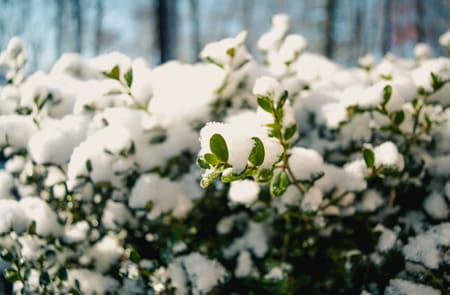
When most homeowners think about pruning, spring and summer often come to mind. However, in Connecticut, winter is one of the best times to address both pruning and light trimming for many trees and shrubs. With plants dormant and growth slowed, winter work helps improve plant health, structure, and long-term performance without placing unnecessary stress on the landscape.
At Shannon Lawn & Landscaping, winter pruning plays an important role in preparing landscapes for a healthy, successful spring.
What Is Winter Pruning?
Winter pruning takes place while plants are dormant, typically from late fall through early spring. During this time, trees and shrubs are not actively growing, which allows them to recover more efficiently once warmer weather returns.
Because foliage is absent, winter pruning also allows for more precise cuts and selective trimming where needed, making it easier to improve structure, remove problem growth, and guide future development.
The Benefits of Winter Pruning in Connecticut
Winter pruning offers several important benefits, especially in our local climate.
Improved Plant Health
Removing weak, damaged, or crossing branches during winter reduces strain on the plant. Targeted pruning and trimming help trees and shrubs direct energy toward healthy growth in spring rather than supporting compromised or overcrowded limbs.
Better Structure and Shape
With leaves gone, the natural framework of trees and shrubs is clearly visible. This makes winter an ideal time to make corrective pruning decisions, perform subtle trimming for balance, and prevent future issues caused by poor branch spacing or uneven growth.
Stronger Spring Growth
Proper winter pruning encourages fuller, more controlled growth once the growing season begins. Improved airflow and light penetration—achieved through careful pruning and selective trimming—support healthier branching and long-term vitality.
Reduced Risk of Disease and Damage
Pruning during dormancy helps limit disease spread and reduces the risk of snow or ice damage. Removing vulnerable branches and performing light trimming where needed helps prevent breakage under winter weather conditions.
What Plants Benefit Most From Winter Pruning?
Many common Connecticut landscape plants respond especially well to winter pruning, particularly when combined with thoughtful trimming where appropriate. These include:
- Shade and ornamental trees
- Flowering shrubs that bloom on new growth
- Overgrown or aging shrubs
- Hedges that require structural correction
Because different plants have different pruning and trimming needs, working with a professional ensures the correct approach is used for each species.
The Benefits of Perennial & Ornamental Grass Cutback
Winter is an ideal time to address perennial cutbacks and ornamental grass trimming as part of a well-planned pruning approach. Cutting back dead growth helps prevent moisture buildup, reduces pest and disease issues, and allows new growth to emerge more easily in spring.
Ornamental grasses benefit especially from winter cutback, as it promotes cleaner, more uniform regrowth and prevents weak or uneven growth later in the season. Proper cutback also improves airflow and visibility, making it easier to monitor plant health as the landscape wakes up.
Because different perennials and grasses respond differently to cutback timing and technique, professional care helps ensure plants are maintained properly without damaging crowns or early growth.
Why Professional Winter Pruning Matters
While winter pruning is highly beneficial, improper techniques can cause long-term damage. Incorrect cuts, excessive trimming, or poor timing can affect plant health and appearance for years.
Professional winter pruning ensures:
- Proper techniques that support long-term plant health
- Safe removal of large or high branches
- Clean, precise cuts and controlled trimming that promote healthy regrowth
- A balanced, natural appearance—rather than bare—come spring
Our experienced crews understand Connecticut plant varieties, seasonal timing, and best practices for safe, effective winter pruning.
When Should You Schedule Winter Pruning?
Winter pruning can typically be performed from late fall through early spring, depending on weather conditions and plant type. January is an ideal time to schedule this service, allowing pruning and any necessary trimming to be completed before spring growth begins.
Planning early helps ensure availability and prepares your landscape ahead of the busy season.
Prepare Your Landscape for Spring Now
Winter pruning is an investment in your landscape’s future. By addressing structure, health, and growth during dormancy—while incorporating careful trimming where needed—you set the stage for a stronger, more attractive landscape in the months ahead.
Contact Shannon Lawn & Landscaping today to request a winter pruning estimate and prepare your property for a successful spring season.
Professional Lawn Care & Landscaping You Can Count On Based In Stratford, CT - Serving Fairfield County and New Haven County