Why Your Lawn Is Brown After Winter in Connecticut (And What to Do About It)
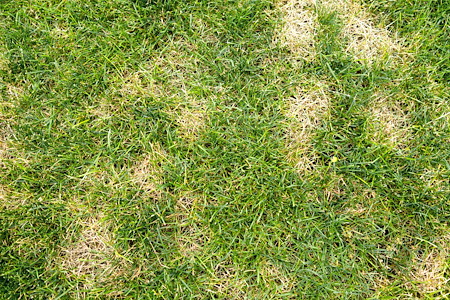
If your lawn is looking brown, patchy, or thin as we head into spring, you're not alone.
Each year, homeowners across Stratford, Fairfield, Trumbull, Milford, Shelton, and surrounding Connecticut communities notice significant changes in their lawns following the winter months.
A common concern we hear is:
"Did my lawn die over the winter?"
In most cases, the answer is no.
Your lawn is likely dormant or experiencing seasonal stress—and with the right approach, it can recover quickly.
Why Lawns Turn Brown After Winter in Connecticut
Connecticut winters create challenging conditions for turfgrass. Extended snow cover, fluctuating temperatures, and excess moisture all contribute to changes in your lawn's appearance.
Below are the most common reasons your lawn may appear brown in early spring:
1. Winter Dormancy
Cool-season grasses common in Connecticut naturally enter dormancy during the winter.
During this period:
- Growth slows or stops entirely
- The lawn loses its green color
- Energy is stored within the root system
As temperatures begin to rise, your lawn will gradually transition out of dormancy—but proper care is essential to support that process.
2. Snow Mold
Snow mold is a fungal condition that develops when snow remains on the lawn for extended periods.
You may notice:
- Circular or irregular brown patches
- Matted or flattened grass
- Areas that appear slow to recover
While often superficial, snow mold can delay spring green-up if not properly addressed.
3. Environmental Stress Along Edges
In areas near driveways, sidewalks, and roadways, it's common to see additional stress on turf in early spring.
This can result from a combination of:
- Increased foot traffic
- Compacted snow
- Residual materials used for winter safety
These conditions may lead to discoloration, thinning, or delayed green-up along lawn edges.
The good news is that these areas typically respond well to proper spring treatments and balanced nutrient applications, allowing them to recover along with the rest of the lawn.
Common Early Spring Mistakes
The condition of your lawn in early spring is important—but how you respond is even more critical.
We frequently see homeowners:
- Delay treatment until visible damage worsens
- Apply fertilizer too early or use the wrong products
Both approaches can slow recovery and lead to inconsistent turf density as the season progresses.
Best Practices for Early Spring Lawn Recovery
To encourage a healthy, uniform lawn, it's important to take a measured and timely approach:
Perform a Light Spring Cleanup
Removing leaves, debris, and excess thatch helps:
- Improve air circulation
- Allow sunlight to reach the soil
- Promote more even growth
Apply Properly Timed Fertilization
A well-timed early spring application:
- Supports root development
- Encourages steady green-up
- Helps fill in thin or weakened areas
Timing is especially imporant in Connecticut, where soil temperatures—not calendar dates—should guide applications.
Monitor Conditions and Act Early
While patience is important, waiting too long to begin treatment can set your lawn back for the remainder of the season.
Lawns that receive early, appropriate care are significantly more likely to establish strong growth heading into late spring.
Why Some Lawns Recover Faster Than Others
Across Fairfield County and New Haven County, the difference in lawn quality by late spring often comes down to:
- Proper timing of applications
- Consistent treatment throughout the season
- Addressing issues before they escalate
Lawns that fall behind early in the season can be more difficult—and more costly—to correct later on.
A Smarter Approach to Lawn Care in Connecticut
Achieving consistent results requires more than a single treatment—it requires a coordinated approach tailored to local conditions.
At Shannon Lawn & Landscaping, we provide professional lawn care services in Stratford, CT and surrounding areas, with programs designed specifically for the climate and soil conditions of our region.
Our lawn care programs focus on:
- Timely, seasonally appropriate applications
- Strengthening turf from the root system up
- Improving density and overall lawn health
- Reducing susceptibility to weeds and stress
The goal is not just short-term improvement, but long-term lawn performance.
Get Your Lawn Back on Track This Spring
If your lawn is showing signs of winter stress, early action can make a significant difference in how it performs for the rest of the year
Request an instant lawn care quote using our online lawn measurement tool on our home page!
Or contact our team directly at 203-375-8240 to discuss the best approach for your property.
Final Thoughts
A brown lawn in early spring is a common concern for homeowners throughout Connecticut—but it is rarely a permanent issue.
With proper timing, professional guidance, and a consistent plan, your lawn can recover quickly and thrive throughout the growing season.
Professional Lawn Care & Landscaping You Can Count On Based In Stratford, CT - Serving Fairfield County and New Haven County