
Effective Yard Drainage in Stratford, CT
Keep excess water moving in the right direction with a drainage system designed around your property, helping reduce standing water, soggy areas, erosion, and recurring runoff problems.
Yard Drainage Solutions to Control Standing Water
Standing water usually develops when runoff has nowhere to go, low areas stay saturated, or roof water repeatedly drains into the same part of the yard. Our yard drainage solutions focus on collecting and redirecting excess water before it creates ongoing soggy spots, muddy areas, or erosion. We assess where the water is coming from and how it moves across the property before recommending the right drainage system.
Common drainage problems may include:
- Water pooling after heavy rain
- Soggy or muddy lawn areas
- Runoff washing through planting beds
- Water collecting near patios or walkways
- Downspouts draining into problem areas
- Soil erosion caused by uncontrolled water flow
French Drains and Downspout Drainage for Better Underground Water Management
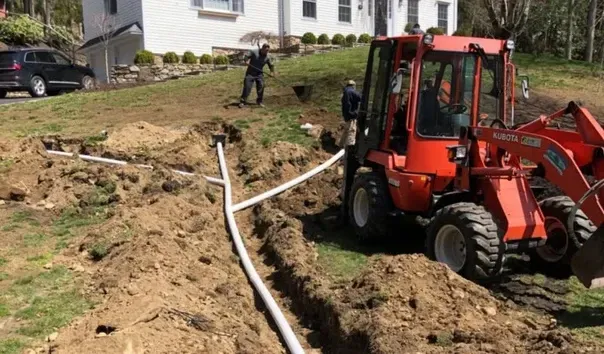
French drain installation can help collect and redirect excess water that moves through saturated soil or settles in low areas. The system uses perforated drainage pipe and stone to capture water below the surface and carry it toward an appropriate discharge point. This can be especially useful where water repeatedly collects even after the surface has started to dry.
Downspout drainage addresses a different source of excess water by carrying roof runoff away from areas where it can create pooling or erosion. Buried drainage lines connect downspouts to a controlled drainage route rather than allowing large volumes of water to empty into the same section of the yard. We plan each system around the property layout, existing drainage conditions, and where the collected water can be directed.
Dry Creek Beds and Stormwater Solutions for Managing Surface Runoff
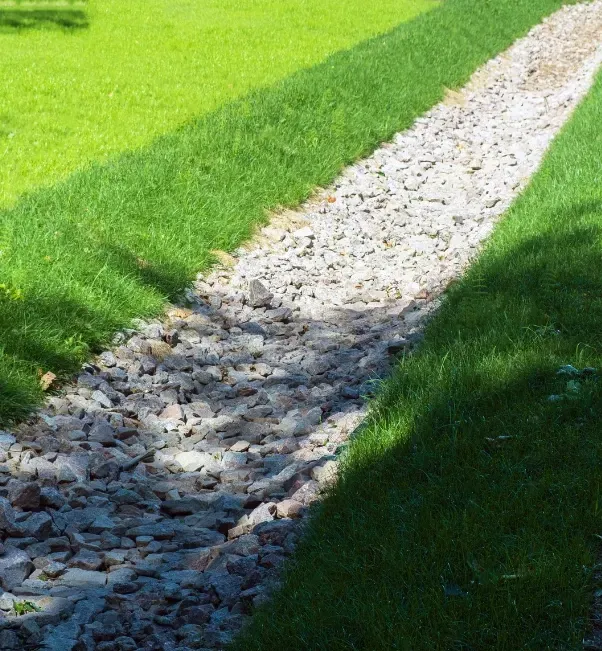
A dry creek bed can help collect and guide stormwater runoff through the landscape while creating a more natural-looking drainage feature. It can be useful where water regularly travels across the surface of the property and needs a defined path instead of spreading through lawns or planting beds. The layout is planned around runoff patterns, water volume, and where the collected water can be directed.
Other stormwater runoff solutions may include catch basins, drainage inlets, buried piping, or connected collection systems that move excess water away from problem areas. These systems help manage runoff before it spreads across lawns, washes through planting beds, or creates recurring standing water. Each drainage system is selected according to the source of the water and how it needs to be collected and carried through the property.
PRACTICAL SOLUTIONS FOR LASTING RESULTS
Why Choose Us for Yard Drainage in Stratford, CT
Drainage problems can come from different sources, so the right solution starts with a careful look at how water moves across the property. We plan each system around the actual conditions we find, then install the drainage components needed to collect and redirect excess water effectively. Our approach is straightforward, site-specific, and focused on creating a system that works with the property.
Site-Specific Planning
We assess the source of the water, problem areas, and existing drainage conditions before recommending a solution.
Complete Drainage Systems
We install French drains, downspout drainage, buried piping, catch basins, and other collection components as needed.
Local Property Experience
We understand the drainage challenges that can affect residential properties throughout Stratford and the surrounding area.
Careful Installation
Each system is installed with attention to proper routing, connections, surrounding landscape areas, and long-term function.
How We Plan and Install Yard Drainage Systems for Better Water Flow
A good yard drainage system starts with understanding where the water comes from, where it collects, and how it can be redirected effectively. We evaluate the property before recommending a system so each component has a clear purpose. From there, we install the drainage solution with attention to proper collection, routing, and long-term function.
1. Inspect the Problem Areas
We review where water pools, how runoff moves, and which areas stay saturated after rainfall.
2. Identify the Water Source
We determine whether the issue is coming from roof runoff, subsurface water, surface flow, or a combination of sources.
3. Plan the Drainage System
We select the appropriate drainage method, such as French drains, buried piping, downspout drainage, catch basins, or other collection components.
4. Prepare the Drainage Route
We mark and prepare the path needed for the system while accounting for the surrounding landscape and existing site conditions.
5. Install the Drainage Components
The pipe, stone, inlets, connections, and other system components are installed according to the planned layout.
6. Check Flow and Finish the Area
We review the completed system to confirm water has a clear route through the property, then restore disturbed areas as needed.
Take Control of Yard Drainage with Solutions Designed for Your Property
Standing water, soggy areas, and uncontrolled runoff can quickly make parts of your yard difficult to use and maintain. Shannon Lawn & Landscaping provides yard drainage solutions in Stratford, CT, designed around how water moves across your property and where it collects.
Whether you need a French drain, downspout drainage, catch basins, or another collection system, we can help determine the right approach for your property.
Contact us today
to request an estimate for your yard drainage project.
FAQs
Common Questions About Yard Drainage
Every drainage problem starts with a different source, so the right solution depends on how water is entering, collecting, and moving across the property. These common questions can help explain what to expect when planning a yard drainage system.
What type of yard drainage system do I need?
The right system depends on where the water is coming from and where it collects. French drains, catch basins, downspout drainage, buried piping, and dry creek beds each solve different types of water problems. We evaluate the site before recommending the most appropriate option.
When is a French drain a good solution?
A French drain can be a good choice when water repeatedly saturates the soil or collects below the surface. The system uses perforated pipe and stone to capture excess water and redirect it through the property. Proper placement and outlet planning are important for long-term performance.
Can downspout drainage help with standing water?
Yes. Downspouts can release a large amount of roof runoff into one small area, which may lead to pooling or soggy soil. A buried downspout drainage system can carry that water farther away and connect it to a more controlled drainage route.
How long does yard drainage installation take?
The timeline depends on the type of system, the length of the drainage route, site access, and how many collection points are needed. Smaller projects may be completed relatively quickly, while larger connected systems can require more installation work. We review the scope of the project before installation begins.