
Precise Final Grading in Stratford, CT
Create a smoother, properly sloped surface that improves water flow, corrects uneven areas, and properly prepares your entire outdoor property for lawns, landscaping, hardscaping, or construction.
Yard Regrading to Correct Uneven Surfaces and Poor Drainage Slopes
Low spots, uneven terrain, and poorly shaped slopes can make a yard harder to use and contribute to runoff, erosion, or lawn establishment problems. Yard regrading reshapes and levels these areas to create more consistent elevations while correcting slopes that are no longer working properly. Soil conditioning can also be incorporated where needed to improve the site's readiness for future landscaping or lawn installation.
Common reasons to consider regrading include:
- Low areas that collect water after rain
- Uneven ground that affects lawn installation
- Soil disturbed by construction or excavation
- Slopes that direct runoff toward unwanted areas
- Erosion caused by poor surface grading
- Areas being prepared for new landscaping
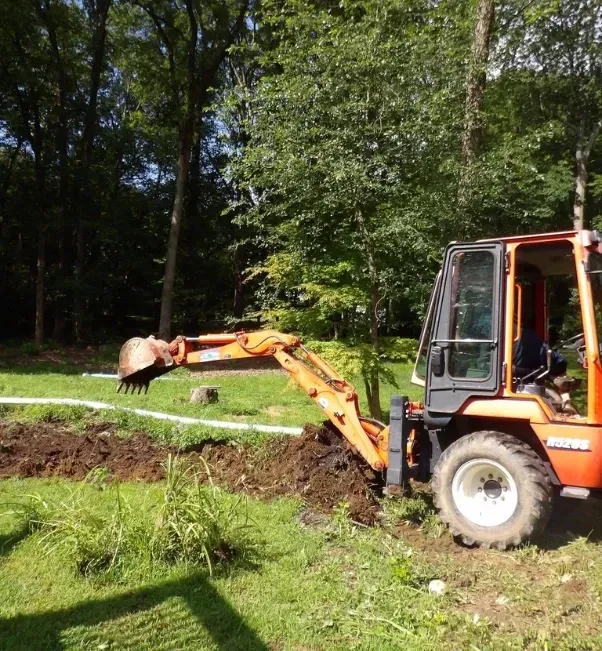
Lawn Resloping and Drainage Grading for Better Water Flow
The slope of your yard plays an important role in how rainwater travels across the property. Lawn resloping and drainage grading adjust surface elevations to encourage runoff to move toward more appropriate areas rather than remaining in low spots. Correcting the grade can also improve drainage readiness before other landscape improvements are installed.
This type of water runoff correction focuses on reshaping and leveling the land rather than installing underground drainage components. It can help reduce surface pooling, improve drainage patterns, and correct areas where water consistently travels in an unwanted direction. When a property requires pipes, collection systems, or excavation for drainage installation, those needs are addressed separately from final grading.
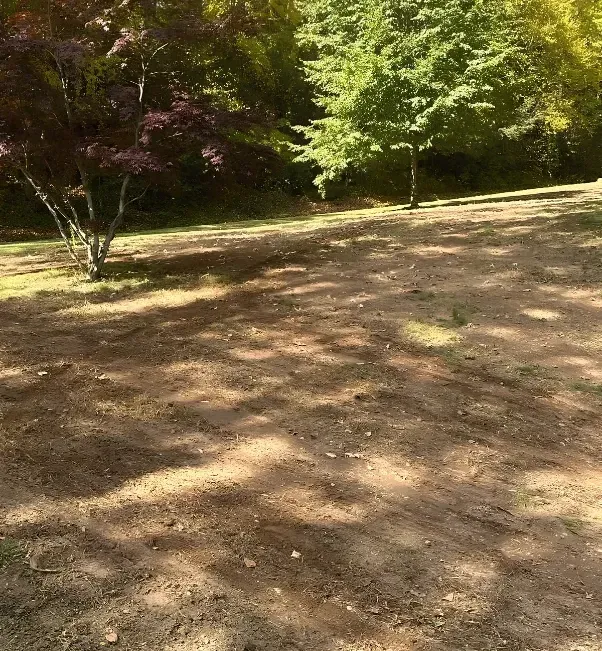
Finish Grading to Prepare Your Site for Landscaping and Construction
Finish grading creates the final surface conditions needed before lawns, planting areas, hardscaping, or construction work can move forward. We smooth disturbed soil, refine elevations, correct slopes, and condition the surface where needed so the property is properly prepared for the next phase. This detailed preparation creates a cleaner and more consistent foundation for outdoor improvements.
Proper site grading can also prepare areas for projects such as lawn and sod installation, planting beds, hardscapes, drainage work, shed pads, and small accessory structures. A carefully finished grade provides smoother transitions between areas while supporting proper water flow and improved soil conditions. Completing this work upfront can help reduce future issues with erosion, uneven surfaces, and poorly directed runoff.
A TEAM YOU CAN COUNT ON
Trusted Experts for Finish and Final Grading
Shannon Lawn & Landscaping works with the varied soil types, slopes, and property conditions found throughout Stratford and surrounding Connecticut communities. Our experienced crews use professional equipment, proven grading techniques, and site-specific preparation plans to create properly shaped surfaces for landscaping and construction projects. Clear communication, careful scheduling, and attention to detail help keep each project organized from the initial site evaluation through the finished grade.
Experienced Grading Crews
We bring extensive landscaping and site preparation experience to properties with different terrain, soil conditions, and grading needs.
Professional Equipment
We use appropriate grading and leveling equipment to shape the property accurately and prepare the surface efficiently.
Property-Specific Planning
Each grading plan is based on the existing slope, soil conditions, drainage readiness, and what you plan to install afterward.
Attention to Detail
We focus on accurate elevations, proper slope correction, smooth transitions, and a finished surface that is ready for the next phase.
Our Site Preparation Process for Proper Property Grading
Successful final grading starts with understanding the current condition of the property and how the finished area needs to function. We evaluate the terrain, soil, slopes, drainage readiness, and planned improvements before beginning the physical grading work. From there, the surface is progressively shaped and refined until it is ready for its next use.
1. Evaluate the Site
We review existing elevations, uneven areas, soil conditions, slopes, drainage patterns, and the intended use of the finished space.
2. Plan the Grade Adjustments
We identify where elevations need to be raised, lowered, leveled, or reshaped to establish the appropriate finished grade.
3. Shape and Condition the Soil
Soil is redistributed and worked across the project area to correct uneven terrain, establish the main contours, and improve surface conditions where needed.
4. Correct the Surface Slope
We refine the grade to support appropriate water flow and reduce low areas or slopes that contribute to unwanted runoff.
5. Complete the Finish Grading
The surface is carefully leveled and smoothed to create consistent transitions and a clean, build-ready finish.
6. Prepare for the Next Phase
Once grading is complete, the site is ready for lawn installation, plantings, hardscaping, drainage work, construction, or another planned improvement.
Start Your Final Grading Project with Proper Site Preparation in Stratford, CT
Uneven ground, poor slopes, and construction-disturbed soil can create problems for the improvements you plan to make afterward. Professional final grading creates a smoother surface, supports better water flow, and prepares the property for lawns, plantings, hardscaping, structures, and other outdoor projects.
Contact us today to discuss your final grading, yard regrading, or lawn resloping project in Stratford, CT.
FAQs
Common Questions About Final Grading Projects
Planning a grading project often comes with questions about timing, drainage, site conditions, and what needs to happen before the next phase begins. These answers cover some of the most common things property owners want to know before scheduling final grading.
When does a yard need regrading?
A yard may need regrading when it has low spots, uneven terrain, erosion, poor surface runoff, or soil that was disturbed during construction. Regrading can also be helpful before installing a new lawn, landscape, hardscape, shed pad, or other outdoor improvement. Evaluating the existing terrain and drainage conditions helps determine how much correction the property needs.
Can final grading help with standing water?
Final grading can help when standing water is caused by low areas, uneven elevations, or slopes that direct surface runoff toward the wrong location. Adjusting the grade can improve how water moves across the property and reduce pooling in areas where surface conditions are the cause. If the problem requires underground pipes, drains, or collection systems, a separate drainage solution may also be necessary.
What is the difference between rough grading and finish grading?
Rough grading establishes the general elevation, shape, and slope of a site using larger soil adjustments. Finish grading is the more detailed work used to refine elevations, smooth the surface, correct smaller irregularities, and prepare the area for its final use. Depending on the starting condition of the property, both stages may be needed before landscaping or construction begins.
Can final grading be completed before a new lawn is installed?
Yes, final grading is commonly completed before sod, seeding, or other new lawn installation work begins. It creates a smoother surface, corrects elevations, and establishes the intended slope before grass is installed. Proper soil preparation and grading give the new lawn a more consistent foundation for establishment.